
Is travelling to an amazing faraway location on your bucket list for 2024? New Zealand? Morocco? Or maybe Costa Rico?
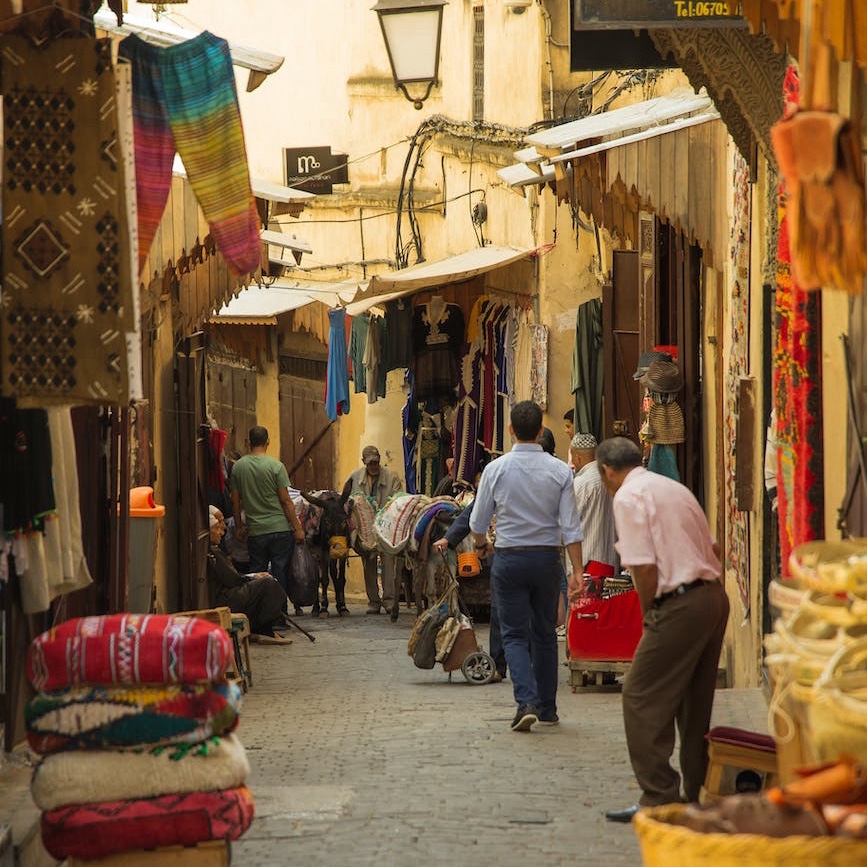
We live in a multicultural world where understanding different communication styles is important. Before you head off on your next adventure, here are some tips to help you communicate.
- Learn a few basic words and phrases in the local language, such as hello, goodbye, please and thank you. An app like “Duolingo” or “Babbel” can help you source these out. You can also carry a phrasebook with you while you travel in case you get stuck.
- If you’re talking in your native tongue, use simple language and avoid acronyms or slang words. This will help ensure you’re better understood.
- Be patient and listen actively.
- If it’s helpful, carry a note pad so you can draw out where you want to go or clarify what you’re trying to say.
- Most of all, be respectful and open-minded.
Consider nonverbal communication cues as well. This will help ensure your message is being received in the way it was intended. Here are a few nonverbal communication cues to watch for.
- Eye contact: Are you looking the listener in the eye or are they connecting with you when you’re talking? Eye contact conveys interest, attention and respect. However, too much can be perceived as aggressive or intimidating. Too little can be perceived as disinterest or dishonesty1.
- Tone: The way we use our voice can convey emotion – excitement, nervousness, boredom.
- Personal space: Everyone has their need for personal space – a space around you where you’re comfortable having someone standing too close. For example, a personal zone might be between 1.5 to 4 feet. For public encounters, you might consider 12 to 25 feet close enough. Standing in someone’s personal space can be intimating and make them uncomfortable.
- Touch: Are you a hugger? It’s important to consider how a hug might make someone you meet feel. I am not a hugger, so this type of nonverbal communication leaves me feeling a little uncomfortable. I prefer the handshake, unless I’m greeting family and close friends.
Other forms of touch, like placing a hand on an arm or touching a hand can convey support, empathy or comfort. Touch varies by culture, so it’s an important one to research before you leave. - Body language: Body language is conscious or unconscious body gestures. For example, crossing your arms can convey annoyance, insecurity or agitation. Tapping fingers could show impatience, and standing up straight can demonstrate confidence. Your body gestures can tell a lot about how you’re feeling. This is an interesting topic to check out.
Wherever and whenever you’re ready to travel, take the time to do a little prep work before you go. It just might make your travels a little more enjoyable!
1 Types of Nonverbal Communication (verywellmind.com)
 My writing booth.